$50 Off Prenatal Paternity | Limited Time, Call Now
Celebrating 30 Years!
Get Paternity, Prenatal & Legal DNA answers from the world’s most trusted lab
Over 20 million DNA tests have been performed at DNA Diagnostics Center since 1995 by our highly accredited U.S. laboratory

Affirm payment plans available
Explore DNA TestingDiscreet
Convenient
Over 99.99% Accurate
Affordable
Your DNA holds critical answers to help you move forward.
As the globally-trusted provider for paternity DNA testing and DNA confirmation for immigration, legal, or family reasons, we are committed to providing accurate, fast, and affordable results. Since 1995, millions of families, as well as government agencies and corporate partners, have trusted DDC with their DNA testing needs.
Just order your test, collect your DNA sample at home or at one of our convenient testing locations, and receive the answers you need to get clarity and peace of mind.
DNA Testing Options at DNA Diagnostics Center
DNA Testing Options
How our DNA tests work

Call for Your Free DNA Consultation
Our knowledgeable and caring representatives will help you choose the right test and coordinate all the details—all you need to do is collect your sample.

Collect Sample
Collect a DNA sample at home or make an appointment at one of our 5,000 worldwide testing locations in 160+ countries.

Get Results
Get the answers via our secure online portal and move forward.
100% Confidential DNA Test Kits
We treat every client with care, respect, and confidentiality because we know that every testing situation is unique, personal, and essential to you. DDC guarantees 100% confidentiality in regards to the results of your DNA test.

Affordable

Quick Results

Private and Secure

Affordable
Still looking for answers?
Why DNA Diagnostics Center?
Get results from the most accredited lab in the world, with more than 1 million DNA samples processed each year. DDC performs more paternity tests than any other lab, and our specialized immigration team has worked with immigration agencies, embassies, petitioners, and beneficiaries around the world for more than 20 years.
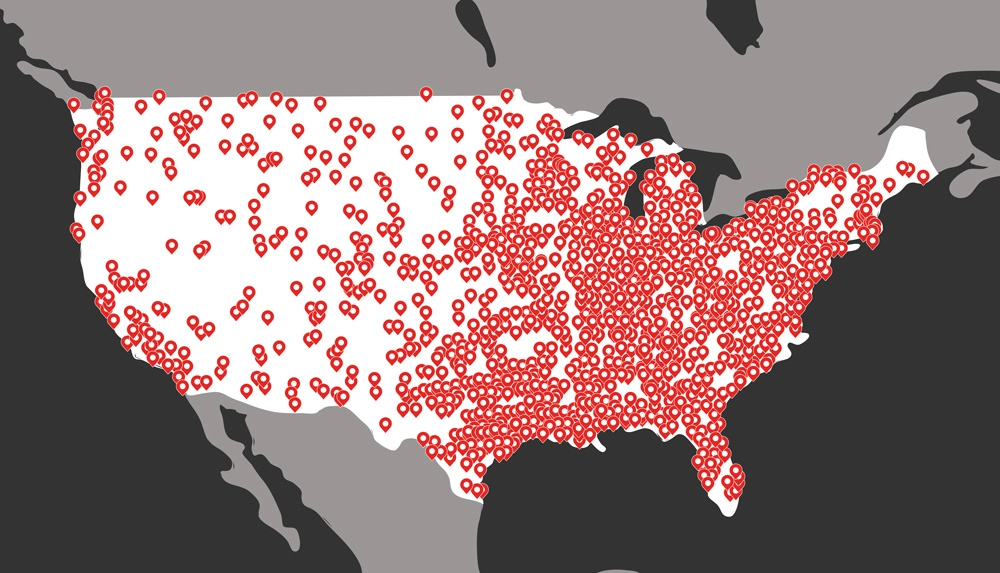
With over 5,000 DNA-collection facilities in 160+ countries, including the United States and Canada, DDC helps individuals get the DNA answers they need to move forward.
30
Years of DNA testing expertise
3,718
Collection locations across the USA
23,470,350
Paternity clients served
World leaders in Paternity Tests and DNA testing
Go to your DNA collection appointment at one of our 3,500+ nationwide locations as soon as the same day!
- Over 20 million tests performed
- Uses advanced technology & processes
- Maintains the highest levels of accreditation
- Trusted by hospitals, governments, and legal authorities
DNA Testing With Reputable Accreditations
Thanks to our strict guidelines and practices, DDC has received accreditations from various industry institutions and organizations, such as the Association for the Advancement of Blood & Biotherapies (AABB), the Ministry of Justice, the College of American Pathologists (CAP), and more.

Accreditations apply to legal DNA tests under scope.
Frequently Asked Questions
Where can I get a DNA test near me?
Your DNA collection method will vary based on the type of test you need. Some tests allow for results to be collected at home, while others may require results to be taken at one of our 5,000 testing locations. DDC offers DNA testing services nationwide through our network of collection sites. Call us or use our location finder to discover the nearest DNA testing location near you.
Do you offer payment plans for your DNA tests?
We offer payment plans for some of our testing options. Speak with a member of our compassionate, knowledgeable customer service team and discover testing options and payment plans that are best for your situation.
When will I receive my DNA test results?
Depending on your desired test, you may be able to receive results in as little as 1–2 business days after your sample is received by our lab.
Is a home DNA test legally admissible in court?
A home DNA test is not court-admissible. For legal purposes such as child custody or immigration, you’ll need a legal DNA test with verified chain-of-custody, which DDC provides at thousands of approved locations.
How do I get a DNA test for immigration purposes?
To meet USCIS requirements, DDC provides certified immigration DNA tests with sample collection at AABB approved facilities worldwide. Our team helps coordinate everything for you and your family.
What’s the difference between legal and non-legal DNA testing?
Legal DNA testing follows a strict chain-of-custody protocol and is accepted in court. Non-legal tests, such as at-home kits, provide the same accuracy but are used for peace of mind only.
Can I take a paternity test while pregnant?
Yes, DDC offers a non-invasive prenatal paternity test as early as 7 weeks into pregnancy. It uses a blood sample from the mother and cheek swab from the alleged father—completely safe for all parties.
DNA Diagnostics Center Reviews
Still not sure which test you need?
Our knowledgeable DNA Diagnostics Center experts will listen to your unique situation and advise the best testing option for you.